Selecting the Ideal Bed Bug Exterminator: What You Ought to Understand
Finding the right bed bug exterminator is essential for effective pest management. Many factors impact the selection process, including skill and treatment methods. Understanding the signs of an infestation is the initial stage. However, not all exterminators are the same. Identifying the essential qualities that distinguish a qualified professional can make a major difference. What should one consider when choosing the best expert for this difficult task?
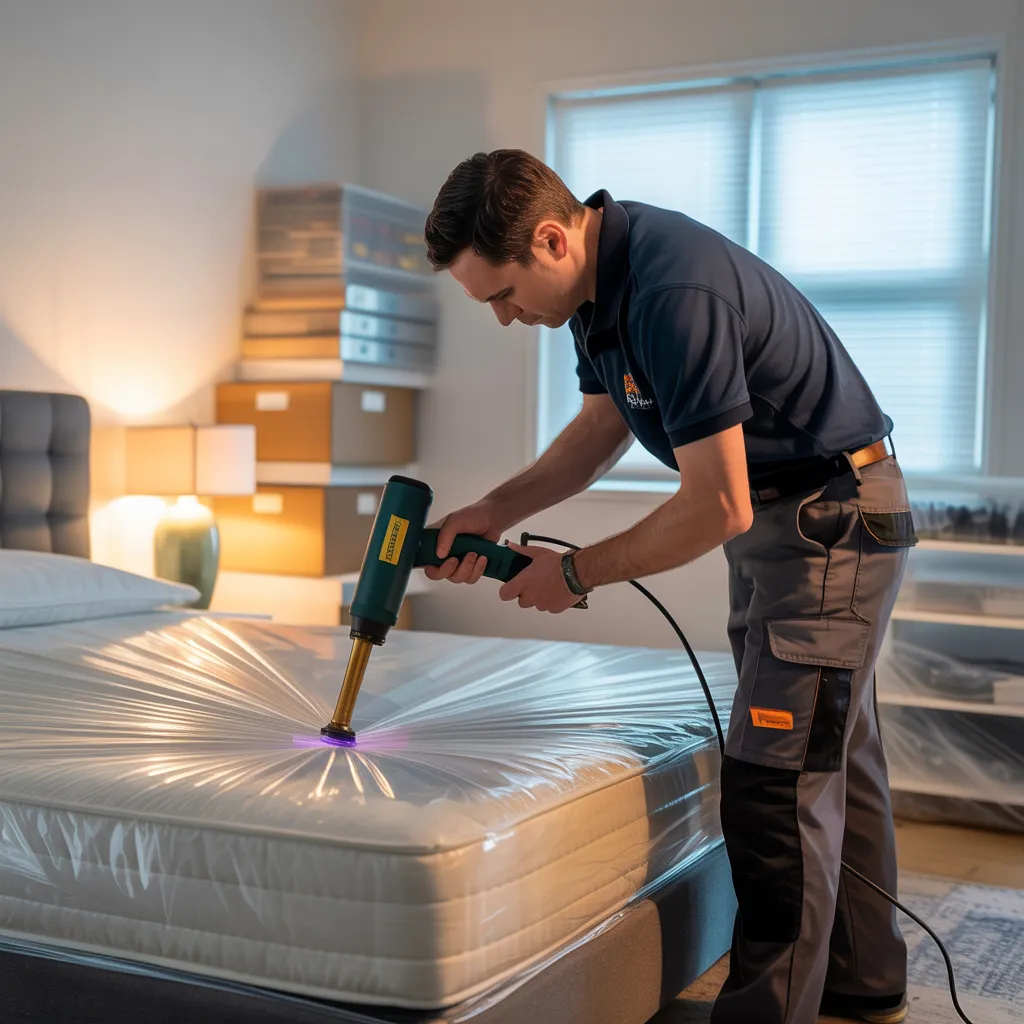
Signals of a Bed Bug Outbreak
Detecting the evidence of a bed bug invasion is necessary for prompt treatment. These bugs are notoriously elusive, making early detection essential. Common indicators include small, reddish-brown stains on bed linens or mattresses, which are often the product of crushed bugs. Additionally, black dots of excrement may be found on surfaces where bed bugs hide, such as seams of mattresses, bed frames, and furniture.
Another obvious sign is the presence of shed exoskeletons, as bed bugs shed skins multiple times during their life cycle. Individuals may also notice unknown bites, usually appearing in sets or lines on exposed skin. These bites can cause itching and irritation, prompting further inquiry. Generally, recognizing these signs can help residents take prompt action, reducing the chance of a larger infestation and ensuring a more effective response. Understanding of these symptoms is the first step in managing bed bug concerns effectively.
Why You Should Have a Skilled Exterminator
When dealing with a bed bug infestation, hiring a licensed pest control specialist is important for successful treatment. Their proficiency in pest elimination assures a thorough understanding of the concern and the most suitable treatment methods. Additionally, specialists implement safe treatment solutions that minimize dangers to both occupants and the environment.
Knowledge In Pest Management
An adept pest control expert offers essential abilities when managing bed bug infestations. They are equipped with expertise about bed bug behavior, life cycles, and efficient eradication techniques. Professionals are proficient at spotting signs of infestations often missed by those without training. They furthermore utilize specialized tools and treatments that general consumers cannot access, guaranteeing a detailed approach. Expert exterminators can additionally evaluate the infestation's scope and suggest customized strategies to reduce the chance of it returning. Through their expertise, homeowners can reduce time spent, ease stress, and reach long-term success, making professional exterminators key allies in combating bed bugs.
Safe Treatment Options
Prioritizing well-being during infestation control procedures is required, and professional exterminators are trained to carry out potent and protected approaches. They apply Integrated Pest Management (IPM) systems, which focus on mitigating risks to view resource humans and pets while successfully eradicating infestations. Professional exterminators benefit from advanced tools and products that are not available to the general public, allowing for precise applications that reduce chemical exposure. Moreover, they are informed about the life cycle of bed bugs, ensuring that treatments are properly timed and executed for maximum effectiveness. By turning to professionals, homeowners can avoid the threats associated with DIY methods, which may cause inadequate elimination or unsafe chemical exposure. Protective treatment solutions ultimately furnish peace of mind and a pest-free environment.
Important Elements of a Trustworthy Bed Bug Service Provider
Choosing an able bed bug technician depends upon several vital traits that contribute to thriving pest control. First, a complete understanding of bed bug structure and behavior is critical, allowing the exterminator to analyze infestations faithfully and develop precise treatment plans. Experience in the field is a further crucial quality; expert professionals are often familiar with diverse treatment methods and can adapt to singular situations.
Moreover, a commitment to using secure and eco-friendly techniques demonstrates accountability and care for clients’ well-being. Effective communication skills are important as well, allowing the exterminator to describe procedures precisely and handle client concerns effectively. Finally, a reputable exterminator should have favorable reviews and testimonials, reflecting their reliability and effectiveness. Collectively, these qualities ensure that the exterminator can manage bed bug infestations efficiently, providing peace of mind to homeowners faced with this difficult pest problem.
Important Concerns to Address with Your Exterminator?
What essential questions should homeowners pose to their exterminator when dealing with a bed bug infestation? First, inquire about the company's experience specifically with bed bugs. Understanding their track record can provide assurance in their capabilities. Next, homeowners should ask about the techniques they plan to use for pest control, ensuring they are secure for both people and pets. It is also crucial to talk about the duration of the pest control procedure and what homeowners can expect at each stage. Homeowners should request information about subsequent appointments and warranties to confirm complete eradication. Additionally, asking about any required arrangements before pest control can assist streamline the procedure. Finally, homeowners should confirm the overall price and any potential extra charges. By addressing these questions, property owners can make informed decisions and choose an exterminator who fulfills their specific needs for successfully tackling bed bug infestations.
Top Bed Bug Treatment Strategies
Various reliable bed bug treatment options exist, each serving different levels of infestation and homeowner desires. Heat treatment is a popular option, requiring increasing the temperature of infested areas to a fatal level for bed bugs, ensuring complete elimination without chemical exposure. Chemical treatments, including insecticides, can also work, often needing multiple applications to achieve desired results.
One method is vacuuming, which can be used to extract bed bugs from mattresses, carpets, and crevices. Pairing this with steam cleaning can increase effectiveness, as high temperatures eliminate bugs and their eggs on contact.
Some property owners think about diatomaceous earth, a natural powder that dehydrates bed bugs upon contact. Integrated pest management integrates various methods for a holistic approach, emphasizing prevention and monitoring. Selecting the right method relies on the severity of the infestation and individual preferences regarding chemicals and environmental concerns.
Understanding Bed Bug Extermination Costs
Recognizing the costs associated with bed bug extermination involves several key considerations. These include the particular treatment methods used, the frequency of necessary services, and the severity of the pest problem. By analyzing these elements, individuals can more effectively predict their monetary investment to successful pest control.
Elements Determining Cost
Determining the expense of bed bug extermination entails several critical factors that can greatly influence the final price. The degree of the problem is vital; larger or more advanced problems typically require more extensive treatment. The size of the space needing attention also plays an significant role, as larger spaces will carry greater expenses. Geographic location can shape costs, with urban centers often commanding premium pricing due to stronger interest. Additionally, the type of treatment methods used—such as heat treatment versus chemical solutions—can differ in expense. Ultimately, the background and reputation of the exterminator can also influence the expense, as more well-established professionals may ask premium rates for their offerings.
Treatment Methods Assessment
The choice of pest control method notably influences the overall price of bed bug extermination. Common techniques include chemical treatments, heat treatments, and fumigation. Chemical treatments are commonly more affordable but might require several applications, increasing long-term costs. Heat treatments, though usually more expensive upfront, can effectively eradicate all life stages in a single session, potentially lowering additional expenses. Fumigation represents the most thorough solution but involves the highest price, as it requires vacating the premises and specialized equipment. Choosing a treatment method should take into account not only immediate costs but also effectiveness and potential re-infestation, ultimately impacting the total cost for the homeowner.
How Often Extermination Happens
The number of times extermination occurs is vital in calculating the complete expenses tied to bed bug treatment. Regular pest control visits may be needed, especially when dealing with significant bed bug issues, which can substantially boost spending. Commonly, a one visit may prove insufficient; numerous treatments are usually essential to accomplish total eradication. The time between treatments typically extends from two weeks to a month, contingent upon the intensity of the infestation and the strategies applied. Homeowners must also examine the likelihood of bed bugs returning, which can demand further services. In conclusion, grasping how often extermination is needed can support people to allocate funds wisely and engage extermination professionals that present clear and thorough fee structures for their work.
How to keep a Bed Bug-Free Home
While many property owners breathe a sigh of relief after successfully eradicating bed bugs, keeping a bed bug-free home demands ongoing vigilance and preventive measures. Regular inspections of bedrooms, furniture, and luggage are crucial to detect any potential re-infestations early. Homeowners should also invest in protective mattress encasements to prevent bed bugs from reaching their beds.
Decluttering residential areas minimizes hiding spots, while vacuuming frequently, especially in cracks and crevices, helps eliminate any stray bugs or eggs. Maintaining cleanliness by washing bedding and linens in hot water every week additionally decreases the risk of reinfestation.
Additionally, taking precautions when moving about—reviewing hotel rooms and placing luggage off the floor—can prevent bringing bed bugs home. By adopting these preventive measures, homeowners can copyright their pest-free status and confirm a comfortable, peaceful living environment.
Common Inquiries Asked Often
What Length Will a Bedbug Elimination Procedure Normally Take?
The lice extermination procedure generally entails one to three treatments over a period of several weeks. Several factors like degree of infestation, treatment method, and property size can affect the overall duration and effectiveness of the procedure.
Do Bed Bugs Live in Cold Temperatures?
Bed bugs have the ability to survive frigid conditions, especially if temperatures remain above freezing. However, prolonged contact to severe cold, below 0°F (-18°C), can successfully eliminate them, provided the contact goes on long enough.
Do bed bugs show resistance to certain pest control chemicals?
Yes, bed bugs may acquire resistance to certain pesticides as time passes. This resistance impedes pest removal endeavors, calling for the application of multiple treatment strategies and products to effectively manage and eliminate infestations.
Will I need to depart from My Home During procedure?
During pest control, it is often recommended to vacate your home to guarantee safety and efficacy. Exterminators may propose a temporary evacuation, typically lasting from several hours up to a few days, depending on the methods used.
How Can I Prevent Future Pest Problems After Extermination?
To stop future infestations, one should routinely check furniture and bedding, fill cracks, lessen clutter, and maintain cleanliness. Additionally, wrapping mattresses and utilizing detection traps can powerfully prevent bed bugs from settling in again.